SKU Normalization Across PC Hardware Retailers
Shared product names mask hardware differences that price comparisons alone can't catch.
Simone Vachon-Lebel
13 stories
Shared product names mask hardware differences that price comparisons alone can't catch.
Real purchasing data reveals why most PC builders hold mid-range hardware for years.
AI build engines confuse plausible explanations with verified physical and market compatibility.
They work best when the database tracks every part relationship across the whole build.
Modern game engines demand more VRAM than midrange GPUs typically offer.
Intel's foundry success will determine whether desktop CPUs in 2027 are competitive or expensive.
AMD's AM5 socket outlasts Intel's platforms, saving upgrade costs down the road.
Used GPU prices now track new-card premiums driven by AI memory demand.
Upgrading to DDR5 costs more now but keeps your platform viable longer than aging DDR4.
Power spikes and poor contacts turn new connectors into heat risks despite design improvements.
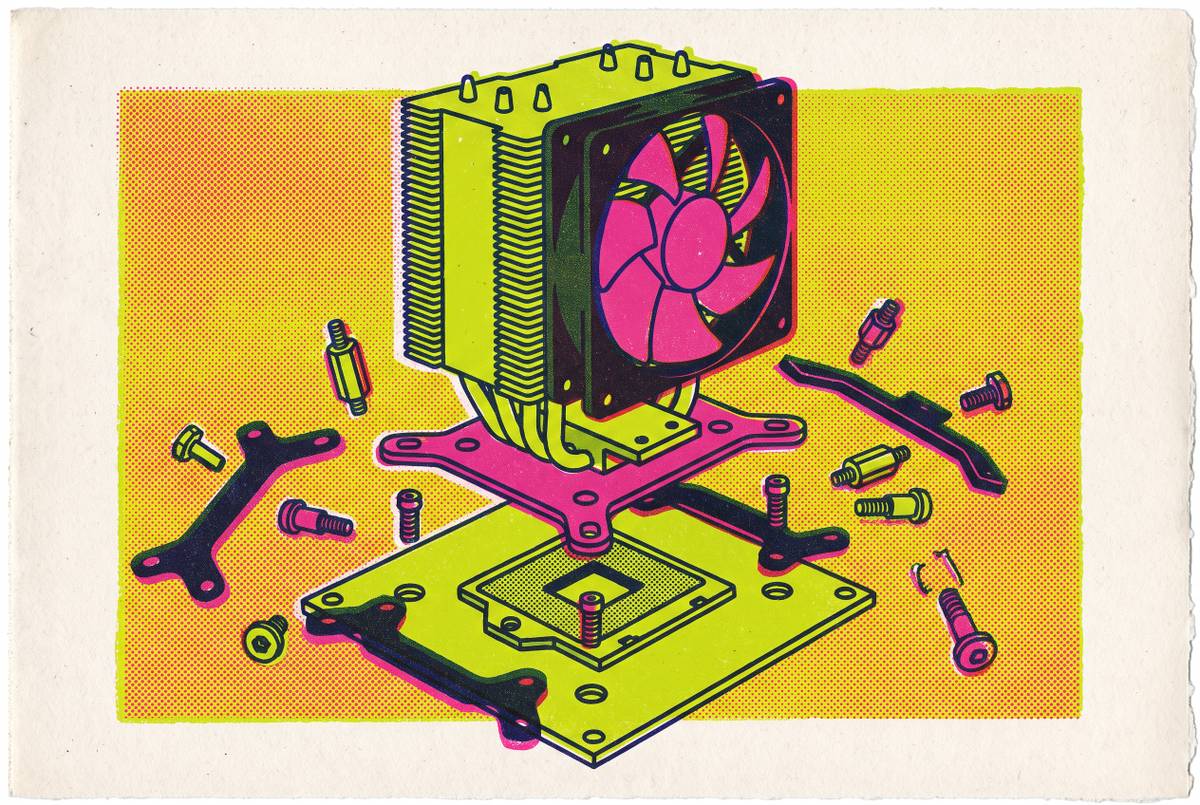
Retailer listings, not mounting standards, are what create cooler compatibility headaches.
Streaming platforms set the specs that builders must now meet to stay competitive.
Nvidia's rising GPU kit costs push retail prices far above official MSRPs.